
About MONTENEGRO
Montenegro, the capital city of which is Podgorica, is a Balkan country with a 620.000 population. Montenegro, which declared its independence and separated from Serbia as a result of the referendum held in 2006; shares borders with Croatia, Bosnia and Herzegovina, Serbia, Albania and Kosovo. Montenegro became a member of NATO in June 2017 and it is also a candidate country to European Union (“the EU”) which continues negotiations with the EU for accession. Even though its official language is Montenegrin, also Serbian, Bosnian, Croatian and Albanian are recognized by the same.

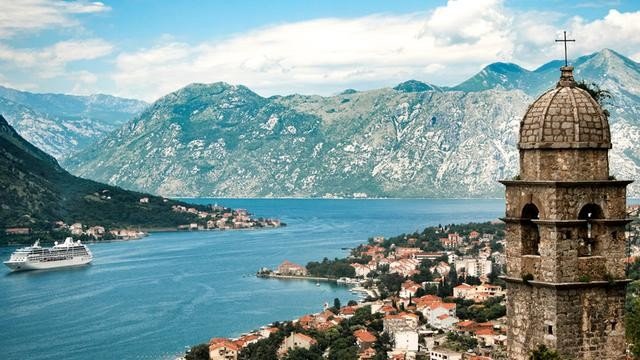
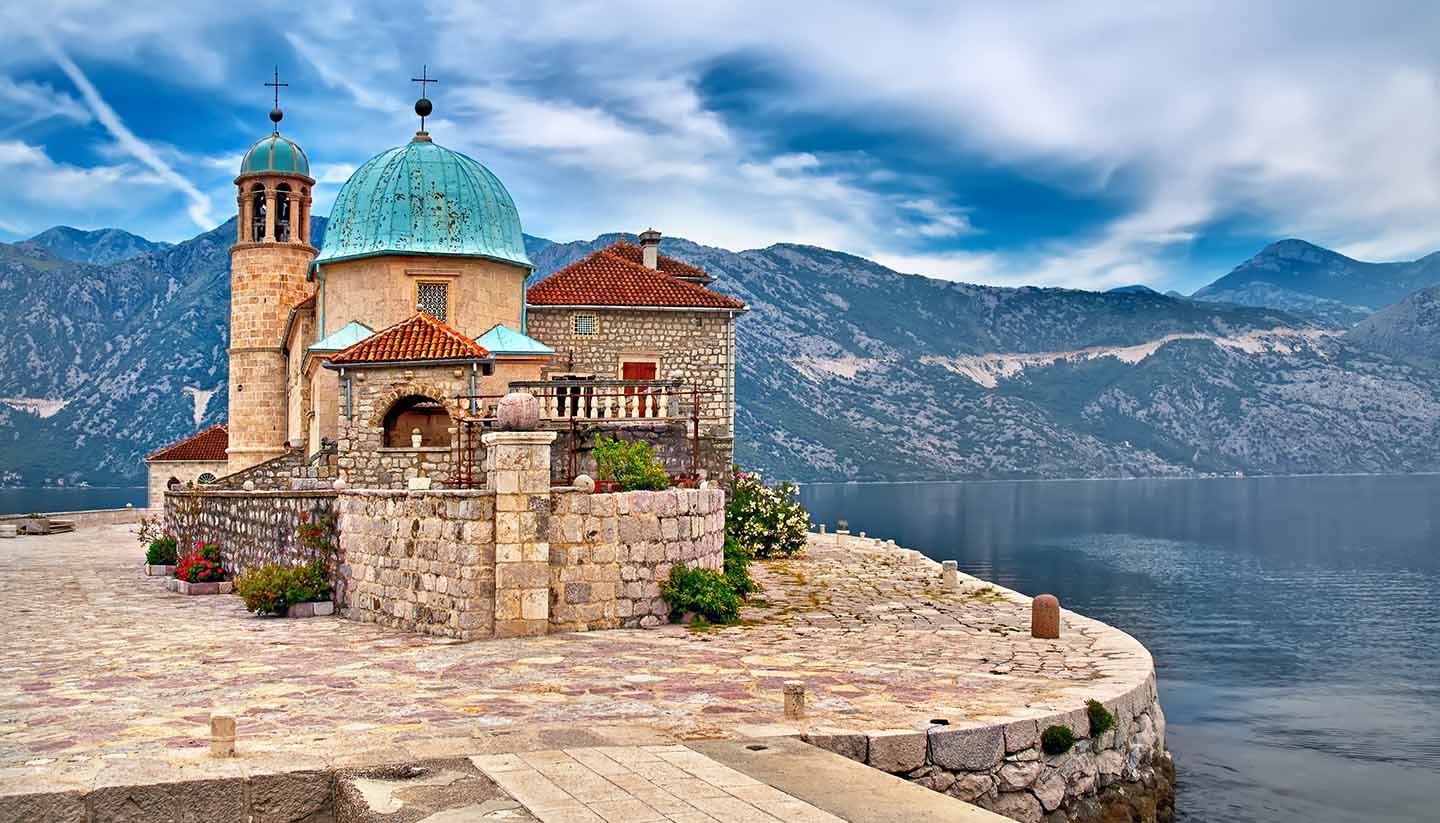
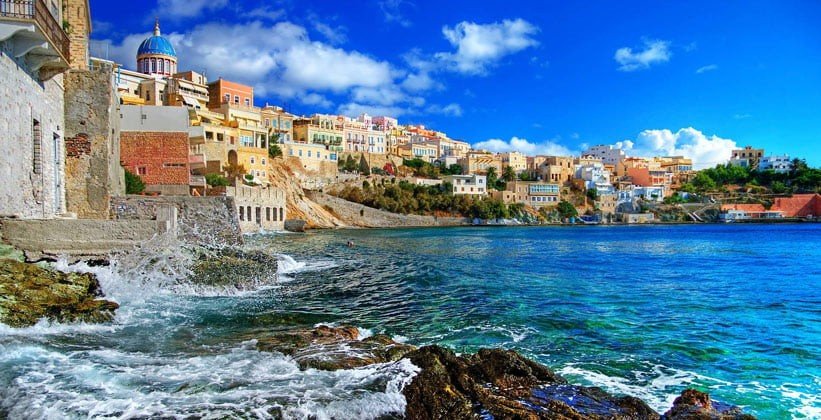
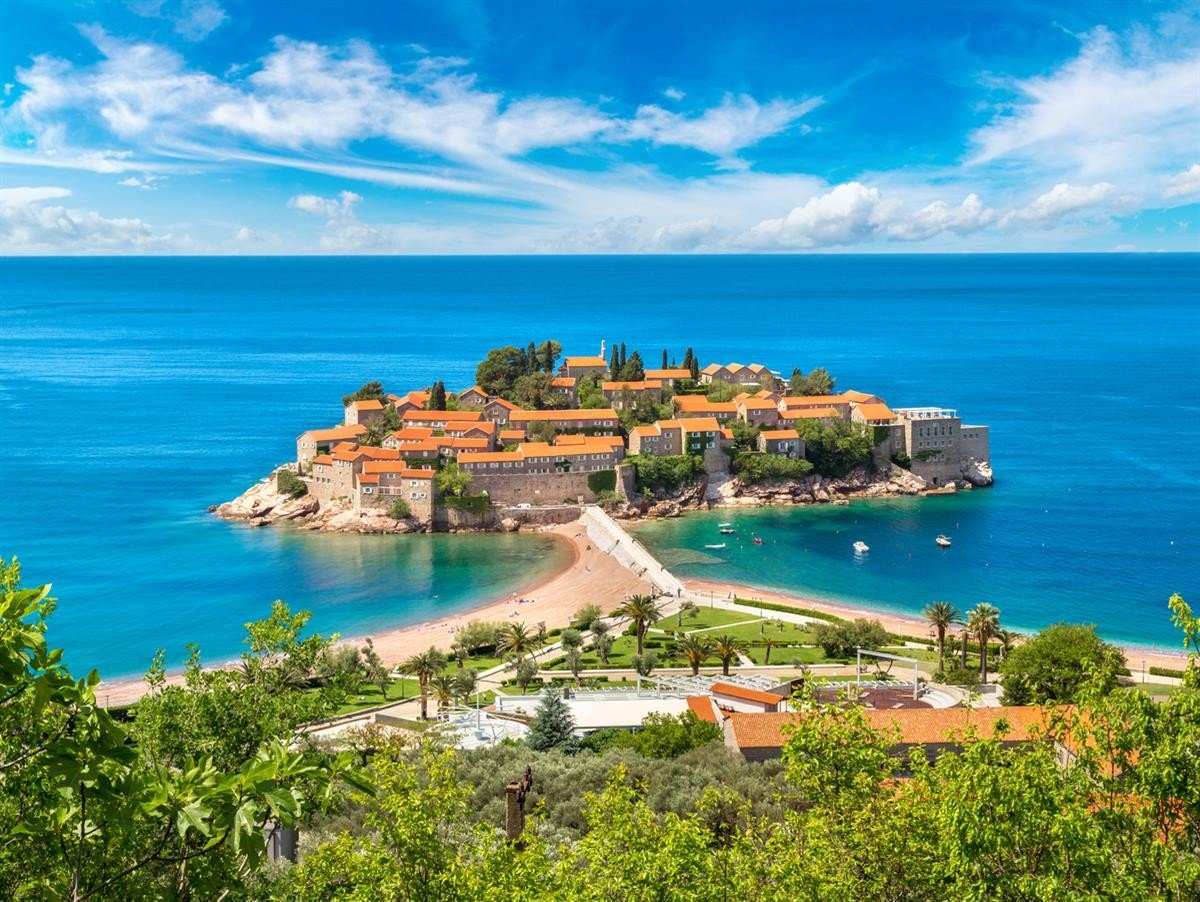
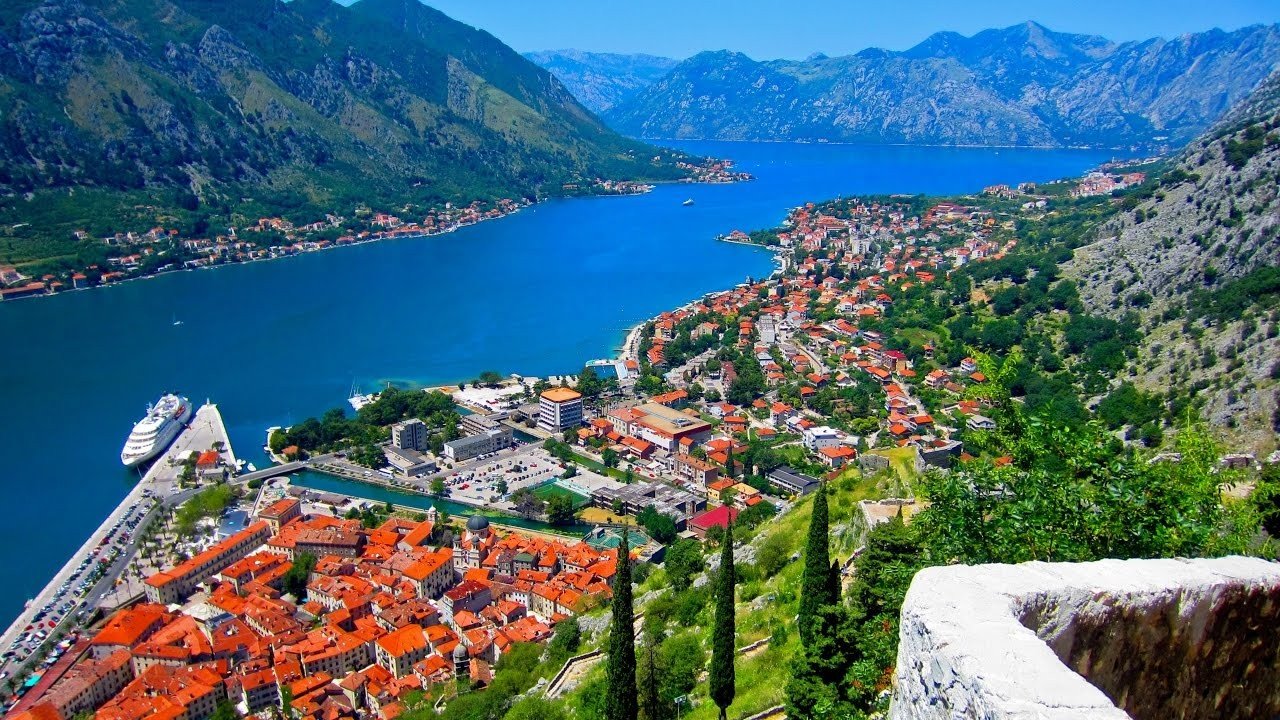
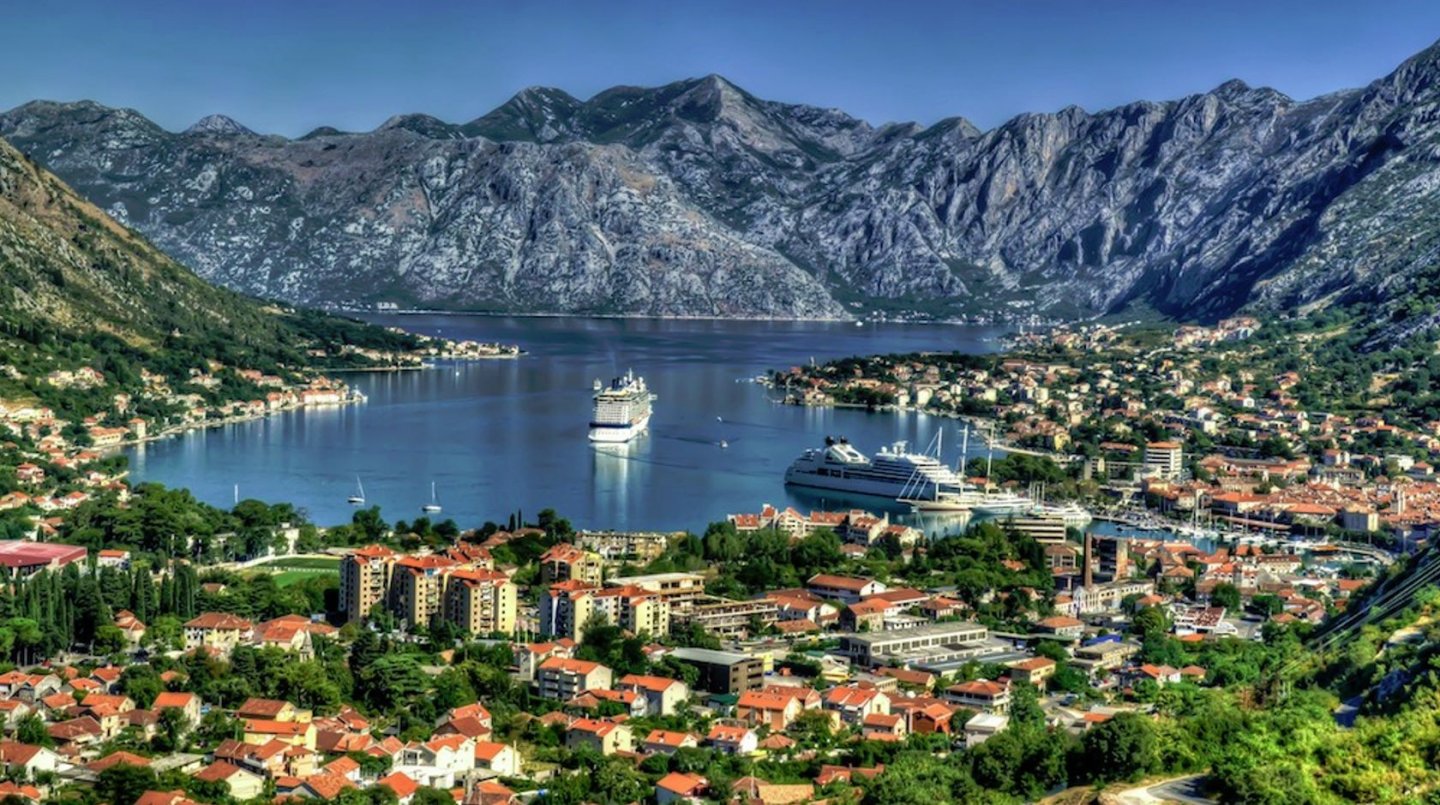
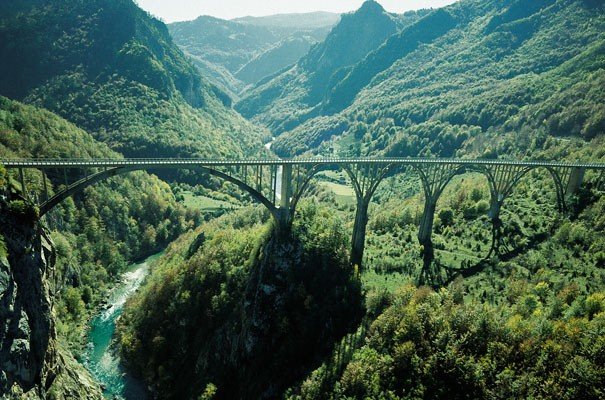
This Balkan country, in which the coastline extending for 300 kilometers across the Adriatic Sea and range of mountains meet, also hosts the deepest canyon of Europe. Montenegro uses Euro even though it is not an EU member yet and tourism takes the lead of the economy of Montenegro which is mainly depended on service sector with 10 million visitors per year.
For this reason, as a significant growth is being observed in tourism sector lately, many steps are taken by the government in order to ease and encourage the foreign investments which are needed to provide the necessary infrastructure. Projects developed in transportation and accommodation areas are especially prioritized.
Flight from İstanbul to capital Podgorica lasts 1 hour and 20 minutes and Turkish citizens can visit the country without a visa.
WHY MONTENEGRO?
- On the border of the old and new Europe;
- Accession negotiations between the European Union and Montenegro started on 29 June 2012;
- Montenegro became a full-fledged number of the World Trade Organization (WTO) on 29 April 2012;
- Montenegro is a member of the United Nations, the Organization for Economic Cooperation, the Council of Europe and the Union for Mediterranean;
- Montenegro is one of the signatories of the CEFTA agreement since 2006;
- The Euro has been official currency since 2001;
- Political stability;
- Developed telecommunication infrastructure;
- Reformed according to the EU legal framework for investment;
- One of the most competitive corporate tax regimes in Europe;
- A set of incentives established at national and local level, primarily in form of tax exemptions, for investments in the northern part of country and in newly established business zone;
- Other investment incentives and subsidies given at local level, primarily in form of utility fees exemptions, favorable land rental/purchase price, reduction of property tax rate, construction of infrastructure facilities, etc.
- No restrictions on profit, dividend or interests;
- Land laws that give foreign investors equal status with locals, i.e. with full deeds and titles to land and real estate;
- Free access to EU markets and Russia;
- The quality and diversity of its natural and anthropological values give Montenegro a status of one of the most attractive tourist and permanent living destination.
Population
Population in 2015 was 622.159 citizens. The most populated cities in Montenegro are: Podgorica, Niksic and Bijelo Polje. As the presented data shows, 30% of the total population lives in Podgorica. Furthermore this situation is a result of a high level of migration into the capital city of Montenegro, which is evidenced by official statics and this process is still continuing.
With the new 2007 Constitution, the Montenegrin language became Montenegro’s primary official language. Along with it, Serbian, Albanian, Bosnian and Croatian are recognized in usage.
Economy
Upon gaining its independence, Montenegro introduced significant privatization and adopted the euro as its currency, despite not being the member of the Eurozone. Montenegro’s economic freedom score is 64.9, making its economy the 65th freest in the 2016 Index. Montenegro is ranked 31st out of 43 countries in the Europe region.
After the economic recovery in 2010 and achieved real GDP growth of 2.5% in the 2011, in 2012 GDP decreased 2.5%. In the second quarter of 2014 GDP expanded 0.30% compared with the same quarter of the previous year. GDP annual growth rate in Montenegro averaged 2.19% from 2003 until 2014. In the third quarter of 2016, GDP was 1241 million EUR, while in the same period of the previous year was 1181 million EUR. The real growth rate of gross domestic product in the third quarter of 2016 is 2.4%.
After contracting in 2014, GDP rebounded in 2015, to 3.2 percent. In particular, the economy has benefitted from high levels of energy production and a number of new investment projects. Output growth projected in 2017 is 4,1 percent.
Real Estate Market
In the period after gaining independence, Montenegro has become a very attractive real estate market for both domestic and foreign investors. A stable macroeconomic situation, continued improvement of credit ratings, favorable tax systems, simplification of business procedures and progress in processes of integration (EU and NATO) are additionally strengthening the attractiveness of the Montenegrin real estate market. This is especially significant for investors who regard Montenegro as a possible starting point for future activities in the region.
The Montenegrin coast is recognized as the most attractive part of the country for investment because of its position, natural beauty and potential. The most important cause of growth in real estate prices on the Montenegrin coast is the inflow of foreign direct investment in this sector, and non-residents’ demand for large homes on the Montenegrin coast. In the past 3 years Montenegro has been profiled as a country that ranks among the top five tourist destinations, from the standpoint of fastest growing markets.
Employment and the Labor Market
In comparison to the other countries in the region, Montenegro has a highly educated labor force, which was described by foreign experts as an important strategic advantage (depending on the proper adaptation of the current school system to the future needs of the economic structure, this advantage can be recognized by foreign investors as part of country’s image).
The second characteristic that attracts special attention is the price competitiveness of labor in Montenegro. Observing the total operational costs of wages in the region, Montenegro has a relatively cheaper labor force in comparison with Slovenia and Croatia but also more expensive in comparison with Serbia, Bosnia and Herzegovina and Macedonia. If we make a comparison with the countries of the European Union, Montenegro is very cheap and it is one of the most important advantages of the investment environment of Montenegro. However, the labor market in Montenegro is competitive from the aspect of the level of education and price.
Privization and Investments:
Privatization process in Montenegro has been conducted in several phases, which are connected with changes made in legislative framework regarding privatization.
Strategy for attracting foreign direct investments (FDI) 2016-2020, defines general, focused and promotional measures on promoting Montenegro as an investment destination. Strategy for attracting foreign direct investments reflects the policy of openness of Montenegro in the context of Euro-Atlantic integration. Institutional framework for attracting FDI is set well. Montenegrin Investment Promotion Agency (MIPA) has a central role within the system regarding FDI attraction; also other institutions within the public administration, especially relevant ministries promote opportunities and certain projects of interest.
Foreign investments show growing trend in the last few year. The Government of Montenegro adopted the ‘Promotion Programme of Business Development‘, which seeks to encourage the development of micro and small enterprises on land connected to utilities, increase employment in less developed municipalities, as well as activate the capital of domestic and foreign investors who could identify an interest in the implementation and advancement of this project.
First strategic (national) business zone is expected to be introduced. Mentioned local self-governments have defined business facilitations related to:
- payment of utility or other charges;
- bargain price of lease/purchase of premises within business zones;
- reduction or exemption from surtax on individual income;
- lowering tax rates on real estate;
- the possibility to define a favorable model of public-private partnership;
- equipping with infrastructure areas which do not have a developed infrastructure.
Business zones in Montenegro are aimed primarily at enhancing development of micro, small and medium enterprises operating in the field of light industry. Here is particularly referred to a range of industrial branches based on consumption outcome: food processing, textile and tobacco industry, furniture industry, electronics industry, manufacturing of final products etc. 2017 | Montenegro Country Report 49 There is a whole set of impulses and stimulus, defined at both local and national level, for conducting production activities in business zones. Incentives and subsidies have the following form:
- Favorable tax arrangements: exemption from payment of personal income tax and contributions for compulsory social insurance, exemption from payment of corporate tax, annulment or reduction of property tax;
- Exemptions or reduction of utility fees;
- Favorable price of land/space purchase or lease;
- The possibility of establishing a favorable model of public-private partnerships;
- Infrastructural equipment in areas where there is a shortage of it;
- Lower administration costs;
Major Investment Opportunities
Montenegro offers a wide range of investment opportunities. Some of them are very unique (like the 13 km-long sandy beach in Ulcinj or Flower Island), some are challenging from a construction point of view (like highways or the railway system) and some are quite complex (like investments in the energy sector).